Sleeping Tips: Your Way To Sweet Dreams
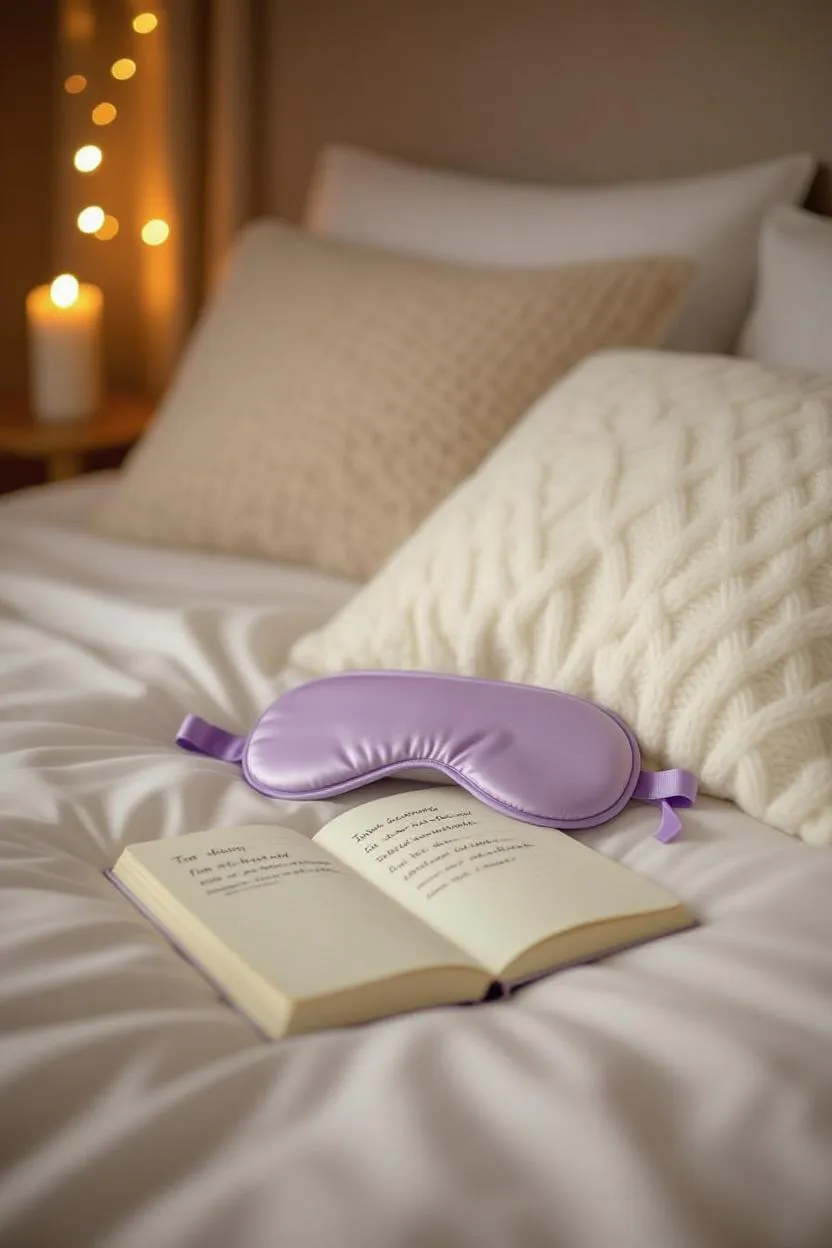
Sleeping Tips: Your Way to Sweet Dreams
Getting a good night's sleep is essential for your overall health and well-being. Quality sleep affects your physical health, mental clarity, emotional balance, and daily productivity. If you're struggling to get the rest you need, these practical sleeping tips can help you transform your nights and wake up feeling refreshed.
1. Establish a Consistent Bedtime Routine
Your body thrives on routine. Going to bed and waking up at the same time every day-even on weekends-helps regulate your internal clock. Create a relaxing pre-sleep routine that signals to your body it's time to wind down. This might include:
- Reading a book
- Taking a warm bath
- Practicing gentle stretching
- Listening to calming music
- Doing meditation or deep breathing exercises
2. Create a Sleep-Friendly Bedroom Environment
Your bedroom should be a sanctuary for sleep. Optimize your environment by:
- Keeping it cool: The ideal temperature is between 60-67°F (15-19°C)
- Blocking out light: Use blackout curtains or an eye mask
- Minimizing noise: Use earplugs or a white noise machine if needed
- Investing in comfort: Choose a supportive mattress and pillows
- Removing distractions: Keep work materials and electronics out of the bedroom
3. Mind Your Pre-Bedtime Diet
What you eat and drink in the hours before bed significantly impacts your sleep quality:
- Avoid caffeine after 2 PM (it can stay in your system for 6-8 hours)
- Skip heavy meals within 3 hours of bedtime
- Limit alcohol-it may help you fall asleep but disrupts sleep quality
- Stay hydrated but reduce fluid intake 1-2 hours before bed to minimize bathroom trips
- Consider sleep-promoting foods like tart cherry juice, almonds, or chamomile tea
4. Manage Light Exposure
Light plays a crucial role in regulating your sleep-wake cycle:
- Get morning sunlight: Exposure to natural light within an hour of waking helps set your circadian rhythm
- Limit blue light at night: The blue light from phones, tablets, and computers suppresses melatonin production
- Use blue light filters: Enable night mode on devices or wear blue light blocking glasses in the evening
- Dim lights 1-2 hours before bed: This helps your body naturally produce melatonin
5. Exercise Regularly-but Time It Right
Physical activity improves sleep quality, but timing matters:
- Aim for at least 30 minutes of moderate exercise most days
- Finish vigorous workouts at least 3 hours before bedtime
- Light stretching or yoga in the evening can promote relaxation
- Morning exercise can help reinforce your natural circadian rhythm
6. Limit Naps
While short naps can be refreshing, long or irregular napping can disrupt nighttime sleep:
- Keep naps to 20-30 minutes
- Avoid napping after 3 PM
- If you need to nap, do it early afternoon
7. Manage Stress and Anxiety
A racing mind is one of the biggest obstacles to good sleep:
- Practice mindfulness meditation before bed
- Keep a worry journal-write down concerns before bedtime
- Try progressive muscle relaxation techniques
- Consider cognitive behavioral therapy for insomnia (CBT-I)
- Use aromatherapy with calming scents like lavender
8. Create a Technology Curfew
Electronic devices are major sleep disruptors:
- Stop using screens 1-2 hours before bed
- Keep phones and tablets out of the bedroom
- Use an analog alarm clock instead of your phone
- If you must use devices, enable night mode and blue light filters
9. Consider Natural Sleep Aids
Several natural remedies may help promote better sleep:
- Melatonin: A hormone that regulates sleep-wake cycles (consult your doctor)
- Magnesium: Helps relax muscles and calm the nervous system
- Valerian root: An herbal supplement with sedative properties
- Lavender: Use essential oils or pillow sprays
- Chamomile tea: A gentle, natural sleep promoter
10. When to Seek Professional Help
If sleep problems persist despite trying these tips, consult a healthcare provider. You may have an underlying sleep disorder such as:
- Sleep apnea
- Insomnia disorder
- Restless leg syndrome
- Narcolepsy
- Circadian rhythm disorders
Conclusion
Quality sleep is not a luxury-it's a necessity for optimal health and functioning. By implementing these sleeping tips consistently, you can create an environment and lifestyle that supports restorative sleep. Remember that change takes time, so be patient with yourself as you establish new habits. Sweet dreams!
Ready to enhance your wellness journey? Explore Quanivo's quantum wellness solutions for better sleep and overall health.
Ready to Learn More?
Contact us to discuss how our wellness solutions can help you.